
Madrid combines heritage, major museums, characterful districts, historic parks, markets, great food and a cultural calendar that makes it easy to plan all kinds of short breaks. It is particularly easy to explore on a first visit, as many of its main sights are concentrated between the historic centre, the Paseo del Arte and Retiro Park.
Madrid also makes an excellent base for day trips to Toledo, Segovia, Ávila, El Escorial and Aranjuez, so you can explore without changing accommodation constantly.
Why visit Madrid
Madrid offers a well-balanced mix of monuments, museums and city life. Puerta del Sol, Plaza Mayor, the Royal Palace, the Prado Museum, Retiro Park and Gran Vía make it easy to plan a comprehensive first route without covering long distances.
Beyond its famous sights, the city has a very different feel from one district to the next. Madrid de los Austrias retains its historic layout; Las Letras has strong literary and museum connections; Malasaña and Chueca bring a contemporary atmosphere; and La Latina is ideal for strolling and discovering squares, taverns and traditional streets.
What to see in Madrid
Puerta del Sol and Plaza Mayor
Puerta del Sol is one of the best places to start your visit. From there, you can walk to Plaza Mayor, Mercado de San Miguel, Calle Mayor and the Madrid de los Austrias area.
This area is ideal for taking a free walking tour in Madrid on the first morning or afternoon of your trip.
Royal Palace and Almudena Cathedral
The area around the Royal Palace is home to some of the capital's most important monumental sites. Plaza de Oriente, Almudena Cathedral, Mirador de la Cornisa and the nearby gardens make it easy to spend several hours exploring the area.
If you'd like to learn about the state rooms and the history of the Spanish monarchy, it's worth booking a guided tour of the Royal Palace of Madrid.
Paseo del Arte and the Prado Museum
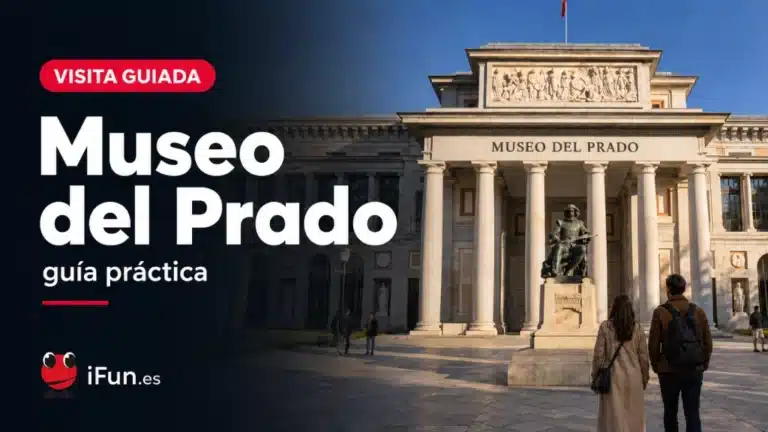
Paseo del Prado is home to three major institutions: the Prado Museum, the Thyssen-Bornemisza Museum and the Reina Sofía Museum. You don't need to visit all three on a first short break; it's usually better to choose one and allow enough time to explore it.
The Prado is the most representative choice for seeing key works by Velázquez, Goya, El Greco, Rubens and Hieronymus Bosch. Read our guide to the guided tour of the Prado Museum.
Retiro Park and Puerta de Alcalá
Retiro is a welcome break from the pace of the city, with gardens, walking paths, a lake, monuments and cultural spaces. It's close to Paseo del Arte, so both areas fit easily into the same day.
Gran Vía and the central neighbourhoods
Gran Vía links shopping areas, theatres and some of the liveliest spots in the city centre. From here, it's easy to reach Chueca, Malasaña, Callao and Plaza de España.
How many days to spend in Madrid
- One day: the historic centre, Sol, Plaza Mayor, the exterior of the Royal Palace and Gran Vía.
- Two days: add the Prado Museum, Retiro and a guided tour or free walking tour.
- Three or four days: explore the neighbourhoods, visit another museum and take a day trip from Madrid.
For a first short break, two full days offer a good balance. Follow our two-day Madrid itinerary.
Recommended activities in Madrid
- Free walking tour of historic Madrid.
- Guided tour of the Prado Museum.
- Guided tour of the Royal Palace.
- Explore neighbourhoods such as La Latina, Lavapiés, Chueca and Malasaña.
- Day trips to Toledo, Segovia, Ávila, El Escorial and Aranjuez.
- Pre-booked transfer from Madrid-Barajas Airport.
Best time to visit Madrid
Spring and autumn are usually the most comfortable seasons for walking. Summer can be very hot in the middle of the day, while winter is a good time to enjoy museums, food and cultural activities with a little planning.
Madrid is a year-round destination. The best time to visit depends more on the kind of trip you have in mind than on any single ideal season.
How to get from the airport
Adolfo Suárez Madrid-Barajas Airport is connected to the city by metro, Cercanías trains from T4, buses, taxis, VTC services and private transfers.
The best option depends on your terminal, the time of day, the number of travellers and where you're staying. Read our guide to getting from Madrid Airport to the city centre and our comparison of taxis, public transport and private transfers.
Tips for planning your visit
- Book the Prado and Royal Palace in advance during busy periods.
- Take a free walking tour at the start of your trip to get your bearings.
- Group visits by area to cut down on travel time.
- Don't try to visit several major museums in one day.
- Use the Metro or Cercanías for longer journeys and walk around the city centre.
- Check official opening times before visiting monuments and museums.
Madrid as a base for day trips
The capital is a great base for day trips to several historic cities. Toledo is one of the most popular, thanks to its heritage; Segovia combines an aqueduct, historic centre and Alcázar; and Ávila is known for its city walls.
If you're short on time, an organised day trip can be easier than coordinating several separate transport services.